
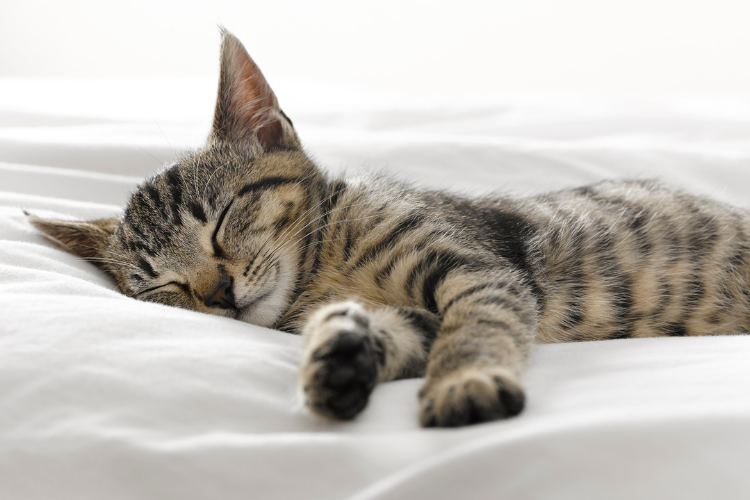
Kittens can get a reputation for sleeping throughout the day, but this isn’t always the case. As active animals, kittens enjoy running, playing, and exploring. Without these activities, your kitten might become restless, bothering you throughout the night to get attention.
One of the best ways to ensure a good night of sleep for you and your cat is by tiring it out. There are plenty of ways to tire out a cat or kitten, including some that don’t require intensive effort or time.
Why Tiring Out Your Kitten Actually Matters
When a kitten has excess energy with nowhere to go, boredom kicks in fast. That boredom shows up as scratched furniture, knocked-over glasses, and nighttime zoomies that rattle the whole apartment. Regular play and exercise burn off that energy in a healthy way, keeping your kitten physically fit and mentally satisfied. A well-exercised kitten is also much easier to bond with, since they’re calmer and more receptive to affection after a good session.
Beyond behavior, consistent activity supports a healthy weight, stronger muscles, and better sleep for both of you. If your kitten seems uninterested in playing, it’s worth reading up on what to do when your cat is bored but won’t play before assuming they’re just low-energy by nature.
How Do You Tire a Kitten Out Fast?
The fastest way to tire out a kitten is through play that mimics hunting. Kittens are wired for a specific prey sequence: stalk, chase, pounce, catch. Play sessions that let them complete that full cycle are way more exhausting and satisfying. A 10 to 15 minute wand toy session that ends with the kitten “catching” the toy will do more than 30 minutes of a laser pointer with no catch at the end. For a deeper look at structuring sessions, our guide on how to play with a kitten covers timing, toy types, and what engagement actually looks like.
Should I Tire Out My Kitten?
Yes, tiring out your kitten is generally a great idea, with one caveat: watch for signs of overstimulation. Panting, overheating, or sudden aggression are signals to stop and let your kitten rest. Most kittens will self-regulate by walking away when they’ve had enough, but young kittens especially can push past their limits if the play is exciting enough. Keep sessions to 10–15 minutes, several times a day, rather than one long exhausting burst.
9 Ways to Tire Your Kitten Out
1. Wand Toys and the Hunt Cycle
Wand toys are the gold standard for tiring kittens out because they let you fully simulate prey behavior. Drag the toy slowly across the floor, let it dart under a blanket, make it hover and dip like a bird. The key is to let your kitten catch it at the end of each session. Ending on a “kill” satisfies their hunting instinct and gives the play session a natural, calming conclusion. Always follow the catch with a small treat or a meal. This hunt-catch-eat sequence mirrors what a kitten would do in the wild and signals that it’s time to rest. Our roundup of the best cat toys for kittens has a solid selection of wand options worth trying.
2. Puzzle Feeders
A puzzle feeder turns mealtime into a brain workout. Instead of eating in 60 seconds, your kitten has to figure out how to access the food, which slows them down and tires them mentally. Mental fatigue is just as effective as physical exercise for taking the edge off a hyper kitten. Start with an easier feeder and work up in difficulty as your kitten gets the hang of it.
3. Cat Trees and Climbing
Kittens are natural climbers, and height gives them a sense of safety and a better vantage point for surveilling their kingdom. A cat tree with multiple levels, a hiding spot, and a perch near a window will get your kitten jumping, climbing, and scrambling throughout the day, even when you’re not home to engage them. Place it near a window with outdoor activity, and it doubles as entertainment. Pairing a cat tree with some cat wall toys nearby gives climbing a purpose beyond just the view.
4. Obstacle Courses
A simple obstacle course made from cardboard boxes, cat tunnels, and paper bags can occupy a curious kitten for a long time. Hide treats at various points to encourage exploration and problem-solving. You don’t need anything fancy; just a few taped-together boxes with holes cut in them are enough to send most kittens into full investigation mode. If you’d rather build something yourself, there are plenty of DIY cat toy ideas that work well for this.
5. Cat Walks
Not every kitten takes to a harness, but those that do get one of the most enriching experiences possible. The sights, smells, and sounds of the outdoors provide an enormous amount of mental stimulation. Kittens tend to be more open to harness training than adult cats, so starting early gives you the best chance. Our step-by-step guide on how to harness train a kitten is a good place to start before heading outside.
6. A Second Kitten
If your kitten has energy that no amount of wand toys seems to touch, a second kitten could be the answer. Two kittens close in age will play, wrestle, and chase each other for hours in ways you simply can’t replicate with a toy. They’ll also keep each other company during the day when you’re not around. If you already have the essentials (food, litter, toys, scratching posts), adding a second kitten costs less than you’d think. It’s worth reading through the pros and cons of getting two kittens before committing, and if you already have one adult cat at home, the should I get a second cat guide covers the compatibility angle well.
7. Fetch
Kittens love to chase, and some take naturally to a modified version of fetch. Crinkle balls, small toy mice, and soft fuzzy toys work well. Toss one down a hallway and let your kitten sprint after it. Don’t expect them to bring it back, though. Just walk over, pick it up, and throw it again. The sprinting itself is a great exercise, and the repetition can genuinely tire a kitten out faster than slower play.
8. Laser Pointer (With a Catch)
Laser pointers are effective at getting kittens moving, but they come with a catch of their own: since the dot can never actually be caught, some kittens become frustrated rather than satisfied. If you use a laser pointer, always end the session by redirecting to a physical toy your kitten can actually catch and bat around. That gives the session the satisfying conclusion their instincts are looking for.
9. Outdoor Enclosures (Catios)
A catio gives your kitten access to fresh air, outdoor sights and smells, and vertical space to climb, all without the risks of an unsupervised outdoor cat. They require some upfront setup, but a catio can provide hours of daily stimulation that takes a serious load off your in-home play duties. Even a small window box-style enclosure makes a meaningful difference. If you’re new to the concept, our guide to catios covers the different types and how to choose the right size.
What If Your Kitten Doesn’t Seem to Get Tired?
Some kittens seem to run on an endless loop, no matter what you try. A few things worth checking: Are you letting them complete the full hunt-catch-eat cycle at the end of play? Are sessions spread throughout the day rather than bundled into one? Is your kitten getting enough mental stimulation, not just physical? Our guide on what to do if your cat is bored has some additional strategies for kittens that seem impossible to satisfy.
If you’ve genuinely tried everything and your kitten still won’t settle, the most reassuring truth is that this is a phase. Kittens hit their peak energy somewhere between 3 and 9 months, and the intensity does taper as they mature. For a better sense of the timeline, when do kittens calm down breaks down what to expect month by month. A kitten that seems impossibly wired today will likely be a calm, affectionate companion before long.
Final Thoughts: Tiring Out a Kitten
Tiring out your kitten is great for you and your furry friend. Kittens benefit from burning energy, and many tiring activities can be physically and mentally healthy. Activities don’t require much time, and some can even help you bond with your cat.
In many cases, a tired kitten is a happy kitten.
Frequently Asked Questions
Play that mimics hunting is the fastest way. A 10 to 15 minute wand toy session that ends with the kitten catching the toy will do more than 30 minutes of a laser pointer with nothing to catch at the end. Always follow the catch with a treat or meal to complete the hunt cycle.
Yes, tiring out your kitten is a great idea, as long as you watch for signs of overstimulation. Panting, overheating, or sudden aggression are signals to stop. Keep sessions to 10–15 minutes, several times a day, rather than one long exhausting burst.
Check that you’re completing the full hunt-catch-eat cycle at the end of play, spreading sessions throughout the day, and mixing in mental stimulation like puzzle feeders. If your kitten is still wired despite all of that, know that peak kitten energy is temporary — it typically tapers off as they approach their first birthday.
Yes. While exercise is important, pushing a kitten past its limits can cause physical strain and stress. Watch for panting, overheating, limping, or signs of agitation during play. When in doubt, keep sessions short and let your kitten walk away when they’re done.

- Best Cat Breeds for First-Time Owners - March 5, 2026
- How to Tire Out a Kitten: 9 Ways That Actually Work - March 1, 2026
- Are Cats Colorblind? How Cats See the World - February 23, 2026

